 American employers cut more than 1.1 million jobs in 2025 — the highest total since the pandemic peaked in 2020. A side job has evolved beyond a mere trend into a vital career survival strategy.
The numbers tell a compelling story: nearly two-thirds of workers now seek additional income streams. While 32% already run a side business, another 30% plan to launch one in 2026. This movement makes sense, given that only 31% of U.S. workers feel connected to their current roles. Job security fears continue to rise as 80% of workers see a gloomy or stagnant job market ahead in 2026.
We created this piece to help you direct your path through these uncertain times. You might want a home-based side job, an online venture that fits your schedule, or a side hustle to boost your income. Our approach will teach you to build something that goes beyond extra money — it will make you resilient against layoffs.
Understand Why Side Jobs Matter in 2026

Image Source: AP News
Job security has become harder to find for many Americans. U.S. employers announced 1.2 million layoffs in 2025. This represents a dramatic 58% increase from the previous year and stands as the highest number since 2020. The current job market makes additional income streams more than just a luxury – they’re crucial to survive.
The rise of layoffs and job insecurity
The outlook remains grim. Almost half of workers (49%) believe layoffs will become more common in 2026. One-third (33%) say job security and layoff risks top their career worries. The federal government led the pack with over 300,000 planned layoffs in 2025. Tech firms followed with more than 154,000 job cuts.
Total separations might be low by historic standards, but the trend raises red flags. Corporate restructuring and AI adoption have altered the map of employment in every industry. The situation looks bleaker with 40% of employees expecting companies to slow down hiring, which will make competition fierce for available positions.
Why traditional jobs no longer feel safe
Jobs that people once called secure now face unknown risks. Professional and business services – including tech, science, engineering, law, and accounting – show zero net job creation this year. This marks a stark contrast from 2010-2019 when this sector added about 40,000 jobs each month.
Government and public service jobs used to be recession-proof, but that’s nowhere near true anymore. Federal government jobs dropped by 9,000 in April alone. This challenges what we thought we knew about career stability.
The classic 9-to-5 job structure keeps fading as tech advances and economic changes reshape the work scene. Industry stability and long service no longer guarantee job security.
How side hustles offer financial and emotional stability
The current reality makes side jobs valuable for several reasons beyond extra cash:
- Financial security: Side hustles create another income stream that helps when the economy dips or you lose your main job. Think of it as career insurance for unstable times.
- Emotional wellbeing: Work that matches your interests brings fulfillment beyond your day job. Side jobs help curb work stress by offering activities that boost your confidence.
- Skill development: Side hustles let you explore talents you enjoy but rarely use at work. These skills often transfer well, making you valuable in multiple industries.
- Networking expansion: Side jobs connect you with new communities and professionals outside your main field. This opens doors to more career opportunities.
- Increased autonomy: Side hustles give you freedom to choose your hours, location, and projects. You gain more control over your work life.
Multiple income sources help especially when you have uncertain times ahead. A side job keeps money flowing during job transitions without draining savings or adding debt. On top of that, it lets you test business ideas before jumping into full-time entrepreneurship.
A side job means more than extra money – it builds financial and professional resilience in our unpredictable economy.
Choose the Right Side Job for Your Goals

Image Source: Entrepreneur
The perfect side job needs you to think about current market trends and your situation. Research shows 31% of Americans run side hustles and earn USD 83.10B extra cash monthly, with 73% doing it because they need more money.
Side job ideas that work in uncertain times
Some side jobs stay stable whatever the economic conditions. The gig economy will reach USD 455 billion in 2026, making this the right time to pick your path carefully.
These options stay strong even during recessions:
- Grocery store work or delivery: People cut back during tough times but still buy food essentials
- Bookkeeping services: Both people and businesses need financial tracking whatever the economic climate
- Virtual assistance: Companies save 78% by hiring virtual assistants instead of full-time staff
- Home repairs/handyman services: Things break whatever the economy does
- Pet care: This industry grew 29% during the 2001 recession and 17% in 2008-2009
Americans earn USD 891.00 monthly from their side hustles on average. Data science specialists with advanced skills can earn up to USD 150.00+ hourly.
How to match your skills with market demand
You’ll find your ideal side hustle where your interests, skills, and market demand meet. Look at what you already know – you might have skills you can monetize without realizing it.
Think about what people ask you to help them with. Be realistic about your available time – if you have just 5-10 hours weekly, pick something that fits those limits.
These skills are in high demand right now:
- AI implementation (pays 28% more than non-AI work)
- Data analysis (USD 50.00-100.00 hourly)
- Web development (USD 50.00-150.00 hourly)
- Graphic design (USD 40.00-80.00 hourly)
- Social media management (USD 25.00-75.00 hourly)
Start small before going all in. Try to make your first USD 100.00 before building an entire brand.
Online side job vs. in-person side hustle job
Each approach has its benefits depending on your goals and lifestyle.
Online side jobs let you work from anywhere with maximum flexibility. They need minimal upfront costs and can reach customers worldwide. Freelance writing, virtual assistance, or creating digital products are popular choices. E-learning alone should grow to USD 615.00 billion by 2029.
In-person side hustles focus on local services or physical products. Pet sitting, handyman work, or skilled trades can earn up to USD 300.00 hourly. These jobs need more face-to-face time but face less online competition.
Your personality, resources, and money goals should guide your choice. The best side hustles let you earn more without working more hours.
Set Up Your Side Job From Home

Image Source: WIRED
Starting a productive side job from home needs smart planning and the right tools. Economic pressures and rising costs have pushed more workers to look for extra income through online work or freelancing. Your path to side hustle success starts with creating an effective workspace at home.
Tools and platforms to get started
Your efficient home office setup should include these must-haves:
- Reliable computer with enough RAM (at least 8GB) and SSD storage to handle multiple tasks
- High-speed internet connection (minimum 50 Mbps) plus a backup like a mobile hotspot
- Noise-canceling headphones to sound professional on calls and stay focused
- Proper lighting to keep your eyes healthy and look good on video
Your choice of platforms depends on the type of side job you pick. Content creators can use YouTube (you’ll need 1,000 subscribers and 4,000 watch hours to make money). Service providers might find clients on Fiverr or Upwork. Product sellers can tap into ready-made marketplaces like Etsy.
Time management tips to balance work
A side hustle alongside your full-time job needs smart time management. Look at the hours you can realistically spare outside your main job. Block these times on your calendar just for your side business.
Clear boundaries matter a lot. Your employer expects focused work during business hours, so you should avoid side job tasks during company time. This approach protects your main income and helps you stay out of trouble.
Your well-being comes first. Small, consistent actions bring better results than long, random work sessions. Time management tools like Asana can help track projects, and the Pomodoro Technique works great for focused work periods.
Legal and tax basics to know
The IRS wants you to file taxes if you make $400 or more from your side work. Keep detailed records of what you earn and spend throughout the year. These records help you claim deductions on business costs like equipment, training, or home office space.
An LLC might make sense for your side business. This structure helps protect your personal assets if issues come up with your products or services. You should also check if you need specific licenses or permits – rules vary by location and industry.
Take a good look at your employment contract for noncompete clauses or rules about outside work. A quick chat with HR about your plans can help avoid future problems.
Build Skills That Make You Layoff-Proof
Learning the right skills makes you valuable beyond your current job. Companies now put learning opportunities at the top of their retention strategy. The right capabilities will create job security even when the economy looks shaky.
Top future-proof skills to learn in 2026
The best skills mix technical know-how with human capabilities. LinkedIn’s research shows that over half of professionals want to switch jobs this year. Yet 76% don’t feel ready. You should focus on these skills to stay ahead in 2026:
- Analytical thinking – 70% of companies see this as crucial
- Change management – You’ll help teams adapt to new tech
- AI literacy – Learn how AI can boost your work
- Emotional intelligence – This sets you apart as tech takes over routine tasks
- Adaptive learning – You must quickly pick up new skills and let go of old ones
How to use your side job to upskill
Your side hustle works like a real-world training ground. Side jobs are great for building skills. You’ll wear many hats and test new abilities without putting your main income at risk.
Regular jobs often limit what you can do. Side jobs let you handle money, market services, and solve problems on your own. These experiences build skills that help your main career grow. Your side project gives you hands-on experience that fills skill gaps. This matters because 44% of workers need to update their skills.
Certifications and online learning options
Certifications prove your skills are real. Here are the top-paying options for 2026:
The Certified Information Systems Security Professional (CISSP) certification brings in big money. Cybersecurity jobs should grow 29% from 2024 to 2034. The Project Management Professional (PMP) certification opens doors to AI project management roles. These jobs pay around $132,000 yearly.
Platforms like Coursera, LinkedIn Learning, and Google Digital Garage offer budget-friendly courses in hot fields. A Coursera Plus subscription lets you learn from top universities and companies. These platforms help you build skills that keep you employable, whatever your job status.
Turn Your Side Hustle Into Career Insurance
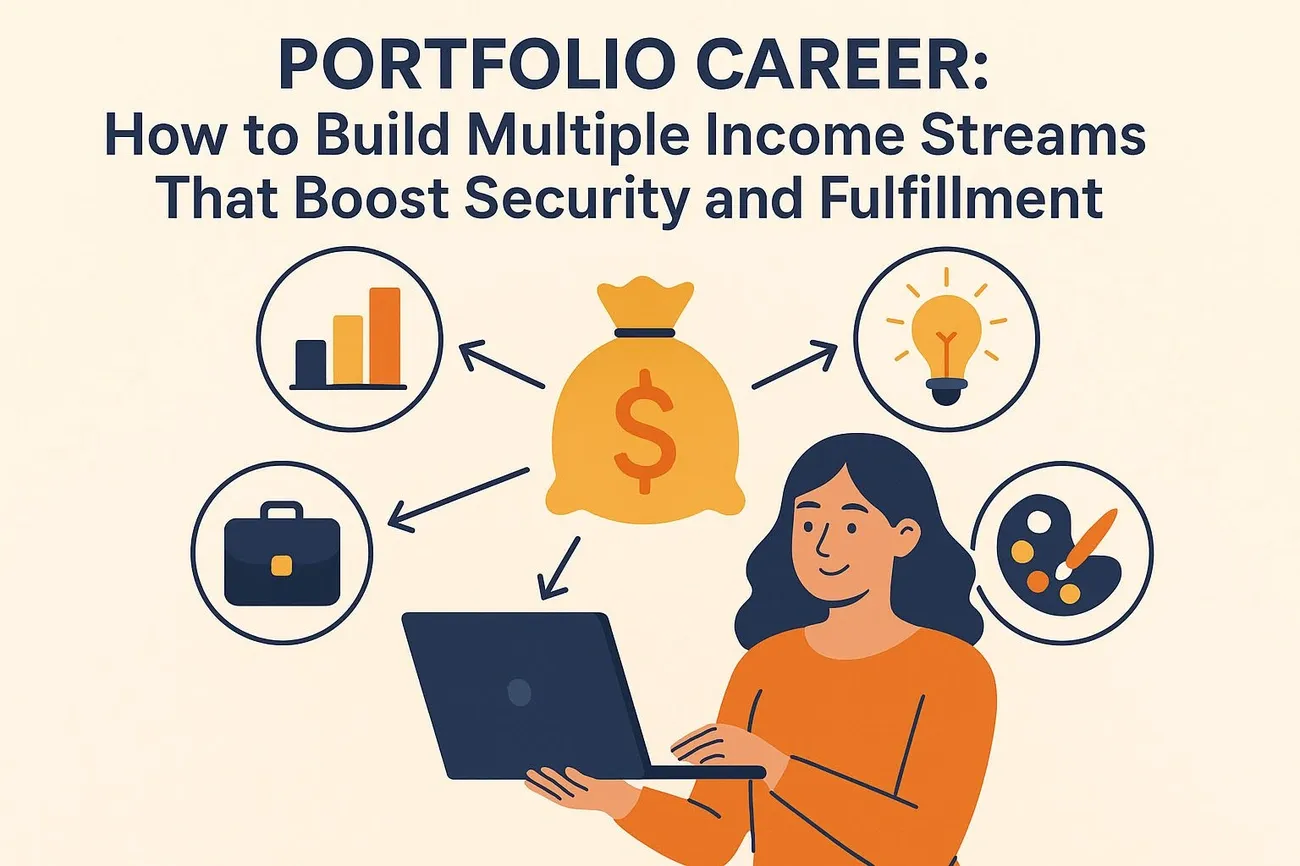
Image Source: The Interview Guys
Your side hustle can grow from extra cash to career insurance with the right plan and growth strategy. Studies show that 60% of small businesses started as side gigs. This means your extra work could become your main safety net.
How to grow your side job into a stable income stream
You just need to assess your side job’s potential by asking key questions. Does it have steady work? Are you making close to your full-time salary? Have you saved 3-6 months of expenses as backup? A detailed business plan comes next, which outlines your goals and how to reach them. Money management is the life-blood of success. Set up quick payment systems and know your cash flow before you grow.
When to pivot or scale your side hustle
You’ll know it’s time to change when certain signs appear. These include flat user engagement, big competitors moving into your market, or customer acquisition costs that exceed lifetime value. Data should drive your decision to pivot. Look at your sales numbers and engagement metrics, along with customer interviews and surveys. Note that waiting too long to pivot drains resources, but moving too soon might waste potential success.
Creating a portfolio career for long-term security
A portfolio career might be your best bet – where you run multiple income streams at once. This path gives you flexibility, variety, and financial strength. It creates a buffer against unexpected problems, which is crucial in shaky economic times. Start with an “anchor client” that provides steady baseline income. Then add more services step by step. This strategy ended up reducing dependence on any single source, which keeps money flowing even when markets shift.
Conclusion
The job market has changed forever due to economic uncertainty and widespread layoffs. Job security through a single employer is no longer guaranteed. People need personal career resilience now more than ever. A side job isn’t just about extra income – it’s your insurance policy against unexpected job loss.
This piece shows why side hustles will matter in 2026. We’ve covered how to pick the right chance and set up your business from home. On top of that, these secondary ventures help you develop skills that make you valuable in industries of all types.
Today’s top professionals don’t put all their eggs in one basket. They build portfolio careers with different revenue streams to protect themselves during tough times. Your side hustle might start small but steady effort can turn it into a crucial part of your financial security.
You don’t need everything perfect to begin. Start with what you have and grow step by step as you build confidence and attract clients. The best time to start isn’t during a layoff – it’s right now while your main job provides stability.
Building a layoff-proof career needs planning and decisive action. A successful side job needs steadfast dedication, but the benefits go way beyond extra cash. You’ll learn new skills, grow your network, and feel secure knowing your finances don’t depend on one employer’s choices.
Make your move today. Small steps taken consistently will build the career resilience you need to succeed whatever the economic climate. Your future self will thank you for building security while others waited for certainty that never arrived.
Key Takeaways
With over 1.1 million job cuts announced in 2025 and growing economic uncertainty, starting a side hustle has evolved from optional to essential for career survival and financial security.
• Start now while employed: Build your side hustle during stable employment rather than waiting for layoffs, as 49% of workers expect more job cuts in 2026.
• Choose recession-proof opportunities: Focus on essential services like grocery delivery, bookkeeping, virtual assistance, or pet care that remain stable during economic downturns.
• Match skills with market demand: Leverage high-paying skills like AI implementation (28% higher pay), data analysis ($50-100/hour), or web development ($50-150/hour).
• Create multiple income streams: Develop a portfolio career with diverse revenue sources to reduce dependence on any single employer for financial stability.
• Use side jobs for skill development: Treat your hustle as a learning laboratory to build transferable skills that make you valuable across industries.
The key to becoming layoff-proof isn’t just earning extra money—it’s building career resilience through diversified income, expanded skills, and professional networks that protect you regardless of economic conditions.