How to Future Proof Your Career: Essential Skills for 2025 and Beyond

Career future-proofing has become vital today. The World Economic Forum estimates that half of all employees will need reskilling because of new technology adoption by 2025. This isn’t just a theory—we’re seeing it happen right now. Changes in human-machine task distribution could replace or alter roughly 85 million jobs.
The news isn’t all bad though. These tech changes should create 97 million new roles, bringing both challenges and chances for workers today. People are taking notice too. McKinsey’s American Opportunity Survey shows about 20% of hired workers already use generative AI in their jobs. On top of that, 44% of current workers say they’d switch careers completely. This openness to change is vital because in five years, more than two-thirds of skills that matter in today’s jobs will be different. This piece will show you the key future skills to build, why being adaptable is no longer optional, and real ways to refresh your skills. These strategies will help keep your career strong as technology reshapes the scene like never before.
The changing nature of work in 2025 and beyond
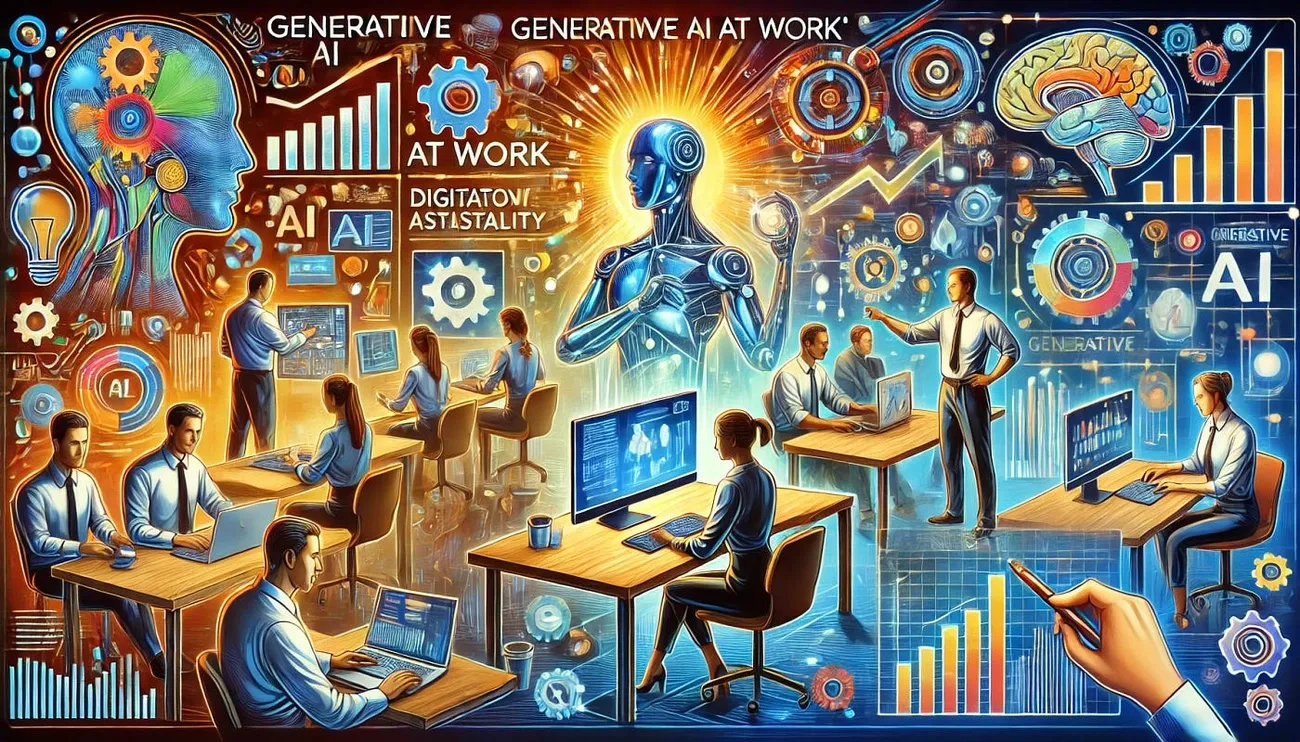
Image Source: Medium
“AI won’t replace you—but someone using AI might.” — Unknown (widely cited in technology and workforce transformation discussions), Popularized in technology and business leadership circles
The workplace of 2025 is changing faster than ever. Past industrial revolutions took decades to unfold. Today’s changes happen live, bringing new chances and hurdles for workers in any discipline.
How AI and automation are changing how industries work
Changes in how we work have reached new heights as tech progress speeds up. McKinsey research shows AI and automation could take over tasks that eat up up to 70% of employees’ time. These changes affect job requirements in almost every sector.
Different jobs face different levels of change. Physical tasks in predictable settings face the highest risk of automation. This includes machine operation and food preparation. Machines can now handle data tasks more quickly than humans in mortgage processing, paralegal work, and accounting.
The numbers paint a clear picture. Between 75 million and 375 million people worldwide might need to switch careers and pick up new skills by 2030. Europe and the United States will see about 12 million workers changing jobs as automation alters the map of employment.
In spite of that, some jobs stay harder to automate. People management, expert knowledge use, and complex social interactions still need human touch. So future workers will spend more time on things machines can’t do well – like leading teams, using expertise, and talking to others effectively.
Studies show new jobs need more education than the ones automation replaces. This creates challenges if you have limited education. It also shows why learning throughout your career matters more than ever.
Workers shouldn’t worry too much about losing their jobs completely. As roles change, humans will focus more on high-value work like strategy, breakthroughs, and building relationships that AI can’t copy. The right tech frees workers from repetitive tasks and lets them add value in better ways.
Why adaptability is now a core career skill
These quick changes have made adaptability the most important skill today. LinkedIn’s 2024 report calls adaptability the “top skill of the moment” as AI and automation rise. McKinsey says eight of the ten most important future job skills are soft skills – with adaptability leading the pack.
Adaptability means staying flexible with change, handling multiple tasks, and finding fresh solutions to new problems. Adaptable professionals keep their eyes on goals while adjusting their approach when things change.
The business case makes sense. Research shows adaptable people participate more and innovate better than others. People who score high in both resilience and adaptability are three times more likely to stay engaged at work and almost four times more likely to come up with new ideas.
Money talks too. Studies of financial services executives show that better adaptability relates directly to higher revenue and sales growth. On top of that, it helps leaders guide their teams to better results.
Change now comes in waves rather than single events. Accenture’s Pulse of Change: 2024 Index shows business leaders faced more change than ever in 2023, with 2024 looking even busier. Tech disruption jumped from sixth to first place as the main reason for change in just one year. This shows how quickly work life is changing.
Making your career future-proof means developing adaptability. This skill helps you bounce back from setbacks, guide through uncertainty, and grab new chances instead of getting stuck.
Why future-proofing your career matters
The traditional employment landscape is changing faster than ever, and career adaptability has become essential, not optional. Professionals must know how to adapt for long-term success in this transformed environment.
The rise of non-linear career paths
The predictable career ladder within a single organization is history. Non-linear career paths have become the norm, and with good reason too.
People now work much longer than before. By 2050, the global population of people aged 60+ will double. This means careers could stretch from 40 to 60 years. Spending six decades in one role or industry seems unrealistic and unfulfilling.
Work values have changed completely. The pandemic made professionals focus more on meaning, work-life balance, and personal growth rather than traditional advancement. A Gartner survey shows 65% of people changed their views about work’s importance after the pandemic.
The workplace changes faster than ever before. New technologies create fresh roles while making others obsolete. The old idea of “climbing the ladder” no longer works. Companies now prefer skills-based hiring over strict credential requirements. 73% of employers used skills-based hiring in 2023, up from 56% in 2022.
Several factors drive this change:
-
Remote work lets people work for companies worldwide
-
Younger generations want meaningful work
-
The gig economy breaks traditional career structures
-
Longer lifespans mean extended working years
Job security vs. skill security
Job security – staying with one employer long-term – was the ultimate career goal for decades. This approach now carries substantial risk.
Today’s economy has no real job security. Traditional employment stability has weakened since the 2008 recession. Economic uncertainty, technological disruption, and market changes make it impossible for employers to guarantee long-term positions.
Smart professionals now focus on developing career security or skill security – knowing how to stay employed in positions they choose whatever the economic climate or their employer’s situation.
Career security is different from job security in key ways. You create it yourself rather than receiving it from an employer. It means watching your employer’s status and being quick to move to new opportunities instead of hoping to avoid layoffs.
Focusing on skill security brings real benefits. These include pricing power (your skills match emerging needs), faster access to opportunities (you adapt quickly to industry changes), and better protection against market shifts.
On top of that, it provides better ways to handle failure. Portable skills, a visible portfolio, and a strong network turn wrong career moves into learning experiences rather than identity crises.
The World Economic Forum reports that 54% of employees must re-skill or up-skill for future needs. Two-thirds of employers expect workers to learn new skills on their own as roles change.
Current workplace disruption requires a change from fixed job roles to fluid growth through continuous learning. Building transferable skills in problem-solving, critical thinking, and emotional intelligence helps you move between roles and industries. This ensures career longevity whatever the circumstances.
Top 8 essential skills for the future workforce
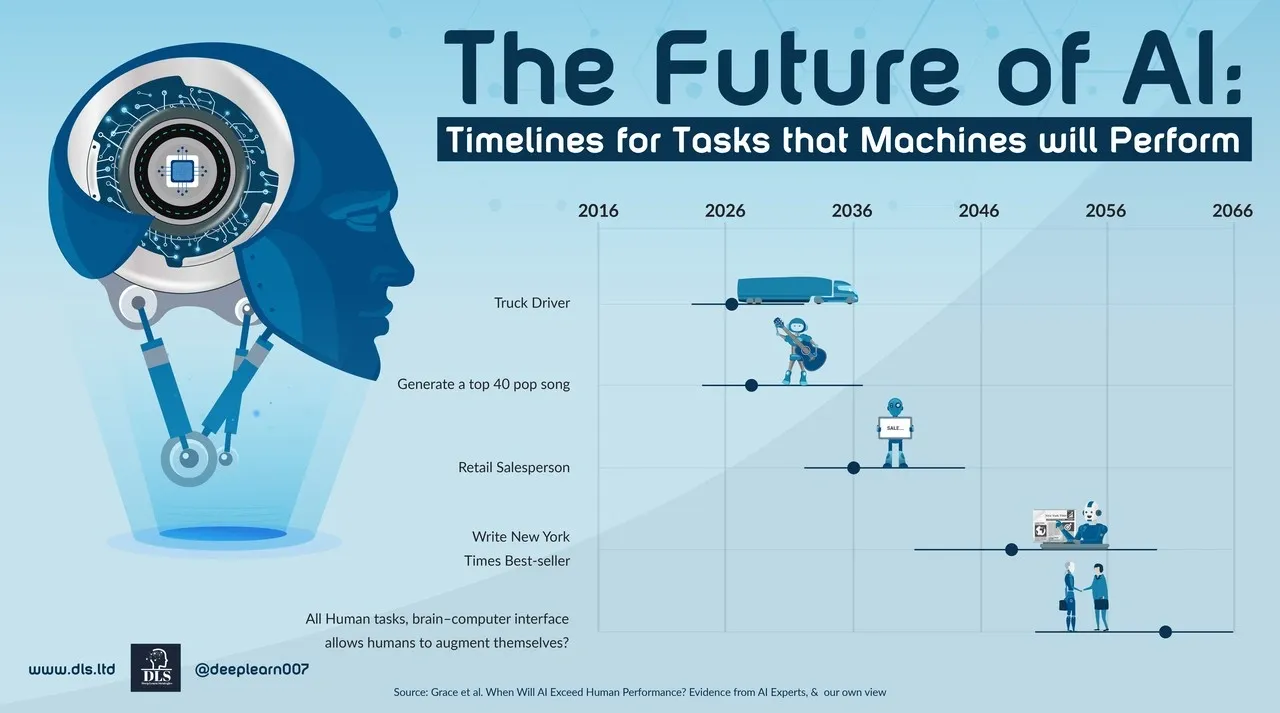
Image Source: LinkedIn
The World Economic Forum predicts that workers will see 39% of their existing skill sets become outdated between 2025-2030. These eight vital skills will help you stay competitive in tomorrow’s job market, whatever industry changes come your way.
1. Analytical thinking and innovation
Seven out of 10 companies think analytical thinking will be vital by 2025. This skill helps you break down complex problems, look at data objectively, and create practical solutions. People who excel at analytical thinking spot patterns, predict what’s coming next, and make processes better—making them valuable in every industry.
2. Active learning and learning strategies
Active learning means taking charge of your learning experience through direct participation instead of just absorbing information. This method helps you remember better, think critically, and work well with others. The numbers show its growing importance—50% of workers have completed training or improved their skills, up from 41% in previous years. Using case studies, solving real problems, and checking your progress helps you learn new things faster and adapt to changing job requirements.
3. Technology use and programming
Technology skills are in high demand, with programming jobs growing faster than other sectors. Recent data reveals that technology-focused roles make up eight of the top 25 jobs. Digital skills are now essential in unexpected places—from healthcare to manufacturing. Understanding programming languages and technology platforms makes you more valuable and gives you the freedom to switch industries when opportunities arise.
4. Critical thinking and problem-solving
Our information-rich world makes critical thinking—knowing how to review information, assess arguments, and make good decisions—more significant than ever. Organizations actively seek professionals who can direct through complexity, challenge assumptions, and create innovative solutions. Critical thinkers help companies spot risks early, find hidden opportunities, and respond well to disruption.
5. Emotional intelligence and resilience
Emotional intelligence (EI) means understanding your feelings and others’ emotions in social settings. Studies show that EI makes up two-thirds of the skills you need to work effectively in various positions. This skill helps you build strong relationships, communicate well, and think creatively. When combined with bouncing back from setbacks, these qualities become especially important during workplace changes and uncertain times.
6. Leadership and social influence
Leadership skills prove valuable even if you don’t lead a team. The ability to motivate others, assign tasks, and shape decisions matters more than ever. Leaders with high emotional intelligence achieve better results. They create safe spaces where team members feel valued and heard, which encourages state-of-the-art thinking and participation. These skills matter more as organizations face unprecedented changes and complexity.
7. Digital literacy and data fluency
Digital literacy now means much more than simple computer skills. While 92% of jobs need digital skills, one-third of workers lack basic digital abilities. This gap exists in all industries—not just tech. To cite an instance, warehouse operations and healthcare jobs now require comfort with digital tools and platforms. Strong digital literacy and data interpretation skills open doors to more stable, better-paying roles.
8. Flexibility and stress tolerance
Psychological flexibility gives you the strength to adapt and turn workplace challenges into opportunities. Flexible people handle stress better by staying focused on current tasks instead of worrying about past mistakes. This skill helps maintain performance during difficult times while creating an environment of open communication. You can build stress tolerance through self-awareness, believing in growth, and regular practice.
Mastering these eight skills prepares you to succeed through the technological and economic changes that will shape the next decade.
How to assess your current skill gaps
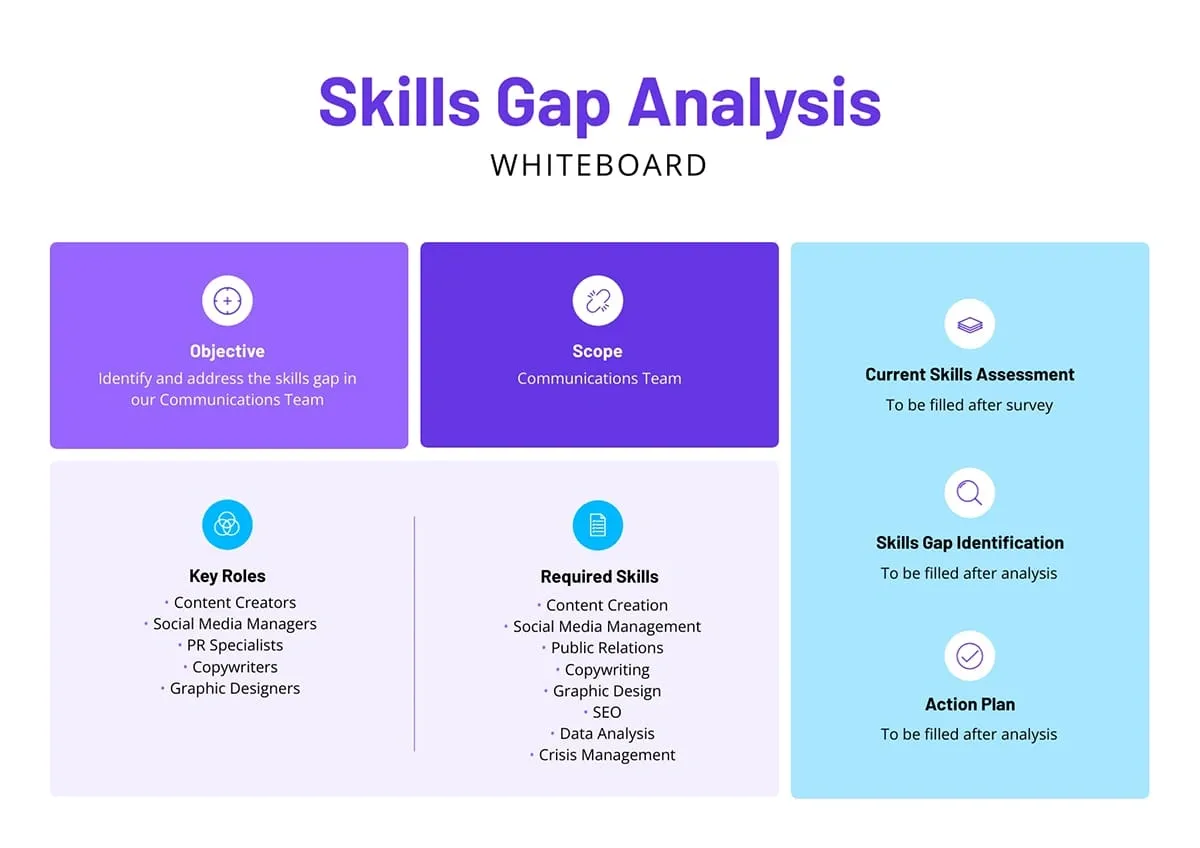
Image Source: Visme
You need to know how your skills match up with what future jobs will need. A recent PwC Global Workforce Hopes and Fears Survey shows that 53% of employees say their job needs special training. This makes it vital to keep reviewing your skills.
Using self-assessment tools
Self-assessment tools give you a well-laid-out way to review your abilities and find areas where you can grow. These tools help you learn about your strengths and where you might need to improve. Here are some of the quickest ways to do this:
-
Myers-Briggs Type Indicator (MBTI) – This 30-minute assessment shows your psychological personality type. It helps you learn how to work in a way that fits your style, including how you manage time, solve problems, and make decisions.
-
CliftonStrengths – Previously called StrengthsQuest, this tool measures how strong your talents are and gives you custom descriptions of your main strengths. This helps you focus on developing them further.
-
Career Beliefs Inventory (CBI) – This questionnaire looks at what you believe about yourself and work concepts. It shows which values might shape your career choices.
-
Guided journaling – Writing down your thoughts with prompts helps you focus better and notice your qualities. This works really well when you want to understand your emotional reactions or set goals.
Creating a skills inventory also helps—list everything you can do now, then rate how good you are at each thing on a scale from 1-5. A score of 1 means no experience, while 5 shows mastery. This clear record shows where you stand and what needs work.
Feedback from peers and mentors
While self-assessment helps, other people’s viewpoints often show us things we can’t see ourselves. Mentorship, especially peer mentoring, is great for skill review.
Peer mentoring adds something special to traditional mentoring. Since everyone’s on equal footing, you can share honest feedback and build mutually beneficial professional relationships. Your peers can help answer key questions like “Do my goals make sense?” or “What’s my next career move?”
During feedback sessions, try reflecting back what you hear: “Are you saying…?” or “What I hear you say is…”. This shows you’re listening and helps clear up any confusion.
Your supervisors and managers give significant input through direct observations, written work samples, and one-on-one talks that add a personal touch to your assessment.
Lining up with industry trends
Getting the full picture of your skills means understanding what industries need now and will need later. Start by asking these basic questions about your field:
-
Which jobs in your industry might be replaced by automation?
-
What skills are becoming more important?
-
What new positions will companies create or expand?
When you review skills, separate the must-haves from the nice-to-haves. If you can still do your job well without a skill, it’s not critical. But if missing a skill makes your work fall short, that’s a must-have.
Kinga Golebiowska, People & Culture Partner at HR Hints, points out three common issues when analyzing skill gaps: too much focus on technical skills while missing people skills; not looking at future trends; and resistance to change from employees.
Note that skill assessment isn’t a one-time thing. As one HR consultant puts it, “You cannot be satisfied with ‘one and done.’ You need to make sure you have an ongoing strategy to maintain this process”. Regular reviews of your abilities against new trends will show you exactly what needs work to stay competitive in tomorrow’s job market.
Reskilling and upskilling for a future-ready workforce

Image Source: AARP
“The future depends on what we do in the present.” — Mahatma Gandhi, Leader of Indian independence movement, global icon for nonviolent change
Becoming skilled at learning and relearning is vital to stay competitive in tomorrow’s job market. The World Economic Forum projects that employers expect 39% of key skills required in the job market will change by 2030. This figure shows improvement from 44% in 2023 because organizations now prioritize continuous learning initiatives.
What’s the difference between reskilling and upskilling?
These terms represent different approaches to skill development, though people often use them interchangeably. Upskilling enhances your existing capabilities within your current role or career path. You build depth and expertise in your chosen field. A digital marketer who learns advanced data analytics to measure campaign success more accurately serves as a good example.
Reskilling means learning entirely new skills to transition into a different role or industry. People typically need this when their previous responsibilities become less relevant due to technological advances. A retail manager training to become a web developer illustrates this perfectly.
When to choose one over the other
Your career situation should guide your approach. Upskilling makes sense when:
-
You enjoy your industry but want to advance or stay competitive
-
Your role evolves but isn’t disappearing
-
You want leadership or specialist positions in your current field
Reskilling fits better when:
-
Automation or market trends put your job at risk
-
You seek a new career with better growth potential
-
A completely different professional direction appeals to you
SHRM’s HR lead Jay Jones puts it well: “Upskilling is focused on, ‘How can I get better at doing what I’m doing now?’… Reskilling answers the question, ‘What can I add as a new skill that can prepare me for a different role?'”
Examples of in-demand reskilling paths
Technology reshapes industries and creates promising career transitions:
-
Technology roles: The World Economic Forum predicts that by 2027, AI and machine learning specialists will see a 40% rise in job openings. Data analysts, big data specialists, and information security analysts will grow by at least 30%—adding approximately 2.6 million jobs.
-
Green economy positions: Clean energy’s growth creates new roles in renewable energy, sustainable construction, and environmental compliance that need cross-functional knowledge.
-
Skilled trades: Electrical work, welding, HVAC, and CNC machining face serious labor shortages. Many employers now offer paid training to reskill workers from other sectors.
The best skill-building strategies should align with both company-wide objectives and your personal goals before you start either path. Developing new competencies isn’t optional anymore—it’s essential for professional longevity as skills become outdated faster than ever.
Overcoming common barriers to learning new skills
You might know what skills you need for your career growth, but getting them isn’t always easy. Let’s look at what stands in the way and how to deal with these roadblocks.
Time and cost constraints
The lack of time remains the biggest hurdle in developing new skills. Research shows that 41% of learning practitioners say low learner engagement stops L&D teams from meeting organizational goals. About 40% of executives point to time constraints as a major reason why it’s hard to get employees involved in learning.
Finding a balance between work and learning creates a real challenge. Many people haven’t taken any formal training in the past five years because learning feels like extra work. This becomes a bigger issue with time-heavy activities like exercise, though it’s easier with skills that fit into daily routines.
Here’s how you can beat these time challenges:
-
Take short, focused learning breaks of 3-10 minutes throughout your day
-
Split complex topics into smaller, manageable chunks over time
-
Plan your schedule with extra time for unexpected work
-
Take advantage of remote work – 87% of remote employees complete their training when they get dedicated work hours
Lack of access to resources
Resource limitations go beyond just time constraints. The good news is that many platforms now provide affordable or free learning options. GCFGlobal offers free resources covering more than 200 topics, with over 2,300 lessons and 2,000 videos. Khan Academy’s nonprofit model provides excellent education that changes lives.
Learning at work has evolved too. The need for physical classrooms has dropped. Web-based learning environments let people access training from anywhere with just a browser.
Mental health and motivation challenges
Mental health plays a crucial role in how well we learn. Depression or fatigue can drain energy and motivation, making it hard to start or stay committed to learning. Anxiety-driven fear of failure and perfectionism might stop people from trying new things.
Common psychological barriers also include:
Focus problems from conditions like ADHD, PTSD, or high stress can make it hard to concentrate for long periods. Traditional learning programs with strict schedules often overwhelm people dealing with ongoing mental health issues.
Tailored learning experiences offer a great solution. Learning strategies that adapt to each person’s needs help break down these barriers. Students can show what they know without time pressure – a common stumbling block for many. Strong bonds between teachers and students build trust and keep people moving forward despite challenges.
Where to learn: best platforms and programs
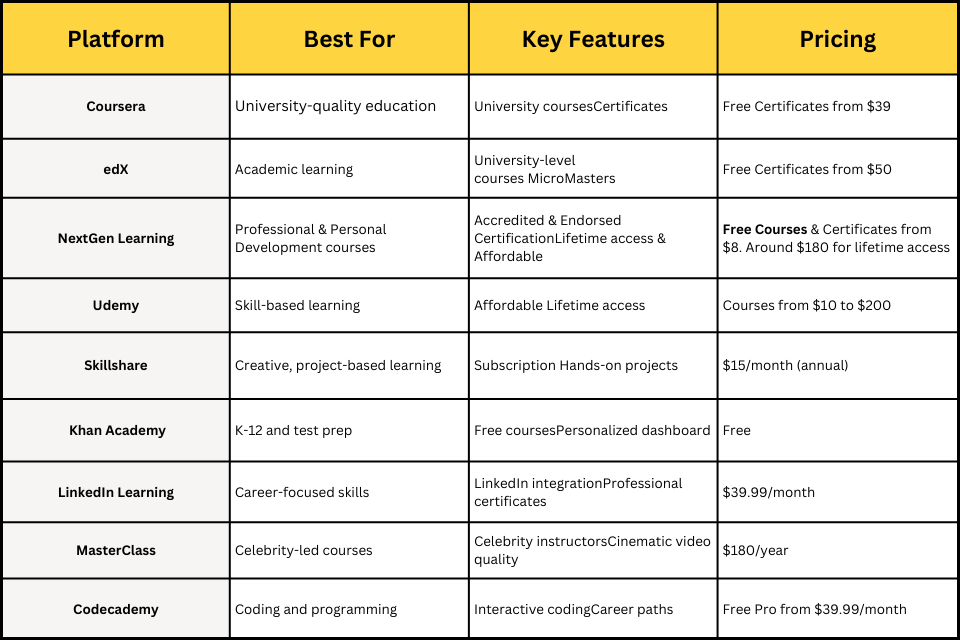
Image Source: NextGen Learning
Organizations are investing faster in learning technologies to address skills gaps, making the right educational platform selection vital. British companies show this trend clearly – 78% have increased their online learning investments. This reflects a growing understanding that career longevity depends on continuous skill development.
Online learning platforms (Coursera, Udemy, etc.)
Digital hubs have emerged where learners and experts connect to build both technical and soft skills. These platforms provide flexibility, varied course options, and economical solutions. Several platforms stand out in today’s market:
Coursera works with 350+ leading universities and organizations worldwide to deliver complete courses, specializations, and degree programs. The structured modules come with interactive elements like quizzes and peer assignments that suit learners who want academic rigor.
Udemy hosts over 250,000 video courses taught by real-life experts and includes lifetime access with mobile learning options. The platform uses a pay-per-course model ($19.99-$199.99) that makes quality education available through frequent promotions.
LinkedIn Learning (formerly Lynda.com) connects with your professional network and offers 24,900+ courses in 20+ languages. The platform shines with role-specific guides for over 35 different career paths and practical learning through quiz questions and coding environments.
Bootcamps and micro-credentials
Micro-credentials have changed how skills are verified by offering targeted learning achievements that confirm specific competencies. Learners can build customized educational pathways through these short, focused programs.
The business world values these credentials highly – 90% of employers would offer candidates with micro-credentials up to 15% higher starting salaries. A remarkable 94% believe new hires with micro-credentials need less training time, which could cut related costs by up to 20%.
Employer-sponsored training
Companies have become life-blood learning resources. Corporate learning platforms like Cornerstone OnDemand help line up development with measurable business results. Docebo creates customized learning environments that match employee needs with career goals.
The U.S. Department of Labor’s Employment and Training Administration provides information about programs that help laid-off workers or those facing potential job loss. Each state offers different services, but they are a great way to get in-demand skills without spending much money.
How to stay relevant in a fast-changing job market
Success in today’s ever-changing workplace requires getting ahead of change, not just reacting to it. Workers can expect 39% of their current skills to become outdated between 2025-2030. This makes developing strategies to stay relevant non-negotiable.
Building a habit of lifelong learning
Lifelong learning has grown from a personal interest into an essential career skill. Most employers understand this change—85% plan to make upskilling their workforce a priority. They know that ongoing skill development leads to success for both employees and organizations.
You can develop this habit by:
-
Setting aside 15-30 minutes each day to learn
-
Reading blogs and listening to podcasts from industry experts
-
Putting new concepts into practice right away
Networking and staying informed
Your professional connections often shape your career path. Experts suggest that about 80% of jobs get filled through network connections. Networks do more than create job opportunities—they help you learn about industry trends.
Real networking builds meaningful relationships instead of just collecting contacts. Think of networking as a way to connect with new people rather than just advancing your career. This perspective makes the whole process more genuine and lasting.
Tracking emerging roles and industries
Smart career moves start with knowing where growth happens. Healthcare expects to add 3.5 million jobs for health aides, technicians and wellness workers by 2030. STEM jobs should grow by 23%.
Look at roles that keep gaining importance across industries. Sustainability specialists, cybersecurity analysts, and AI specialists now work in almost every sector. This shows career paths that can take you anywhere.
Conclusion
The workplace transformation we see today will reshape career paths for decades. People who succeed will accept change instead of fighting it. Success now depends on moving from job security to skill security through constant adaptation.
Strong careers just need both technical skills and human abilities that machines can’t copy. Your professional foundation combines analytical thinking, emotional intelligence, and digital fluency. These skills exceed single jobs and create resilience against market changes and tech disruption.
Learning methods matter as much as the content itself. Success comes to those who treat skill building as an ongoing journey rather than a single event. Small, consistent steps often work better than occasional intense training.
Time limits create real challenges, without doubt. But micro-learning strategies can help overcome these obstacles. Complex topics broken into smaller pieces make improvement possible even with packed schedules.
Career paths have become less predictable and more tailored. This transformation creates chances for people willing to take smart risks and learn about new fields. Building transferable skills helps each career step build on past experiences instead of starting fresh.
The real question isn’t if change will happen—it’s how ready you’ll be when it does. People who check their skills, fill gaps, and build strong learning habits can take advantage of future chances instead of barely surviving disruption.
Note that making your career future-proof needs both planning and action. Building networks with forward-thinking professionals, learning about new roles, and staying curious will become your edge in a job market that changes faster every day.
Changes might feel overwhelming, but this transformation rewards those who welcome it. Seeing disruption as a chance rather than a threat helps us find new ways to add value and meaning in our work lives.
Key Takeaways
The future of work demands a fundamental shift from seeking job security to building skill security through continuous adaptation and learning.
• Embrace adaptability as your core career skill – With 50% of employees needing reskilling by 2025, flexibility in handling change has become the top professional capability.
• Focus on eight essential future skills – Prioritize analytical thinking, active learning, technology use, critical thinking, emotional intelligence, leadership, digital literacy, and stress tolerance.
• Shift from job security to skill security – Build transferable capabilities that keep you employable across industries rather than relying on one employer for stability.
• Make lifelong learning a daily habit – Schedule 15-30 minutes daily for skill development, as 39% of current skills will become outdated by 2030.
• Leverage multiple learning platforms strategically – Combine online courses (Coursera, Udemy), bootcamps, micro-credentials, and employer-sponsored training to build comprehensive skills.
The key to thriving in tomorrow’s workplace isn’t predicting which jobs will survive, but developing the adaptability and learning mindset that allows you to evolve with whatever changes come. Those who treat skill development as an ongoing investment rather than a one-time effort will find themselves positioned to capitalize on emerging opportunities rather than merely surviving disruption.